


The food industry continually changes. Regulations are more restrictive, supply chains are more complex, populations are more congested. The constant headache is the continuous battle to prevent pests and infestations. So businesses need to adapt.
Rats, mice, pigeons, flies, weevils, mites and a plethora of Stored Product Pests (SPP’s) can devastate production, storage, and transport. Which can be damaging to profits, brand reputation, and, critically, food safety.
This article explains:
- What is Integrated Pest Management (IPM)
- How a proactive, holistic IPM programme is vital for effectively managing pest risks
- How IPM protects food operations, and ensures the highest food safety and quality standard
What is IPM?
IPM is a plan or program of practices that eliminate the root cause of pest infestations. It focuses on long-term prevention plus minimizing risks to people and the environment.
Pest Prevention by IPM Practices
Preventing pests is significantly easier if there’s an IPM plan with an ecosystem of solutions to stop pest activity on your premises, and wherever possible to prioritize environmentally-friendly methods.
At McCloud, we tailor our IPM strategy to your food business. We give you robust protection for your premises, built on four proven principles:
- Exclusion
- Restriction
- Destruction
- Monitoring
1. Exclusion: Your First Line of Defense
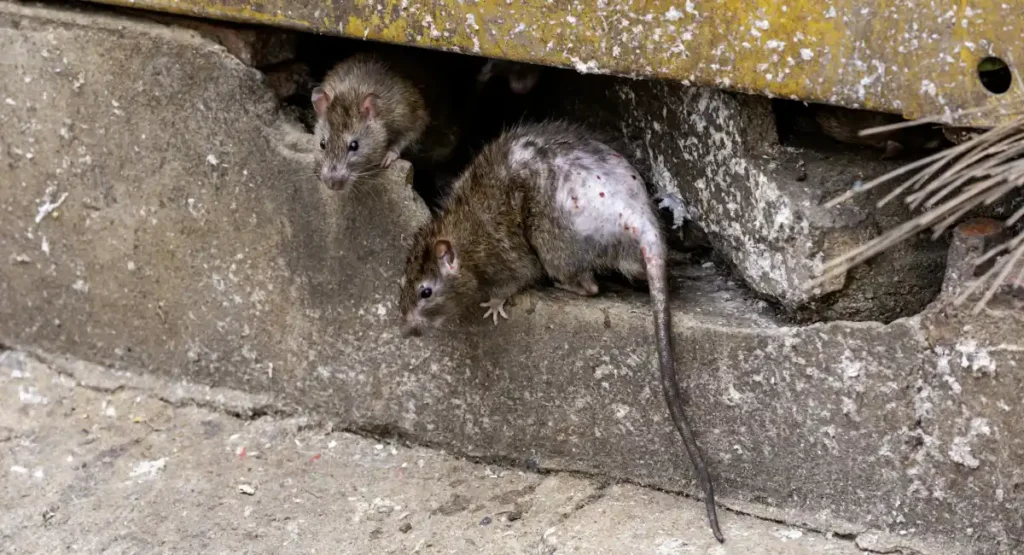
Preventing entry to your premises is the first step in effective IPM. Exclude pests by proofing: seal gaps and cracks, replace damaged screens, and repair defects around entrances, pipes, drains and structures. By shutting off entry points, you minimize the risk of pests getting in and escalating into a bigger problem.
Is no one or are very few people at your food premises overnight or at weekends? Then pest exclusion is even more important. Pests can be enticed by a lack of activity, as you’re giving them the freedom to explore everywhere unnoticed.
Exclusion Solutions for Pest Control
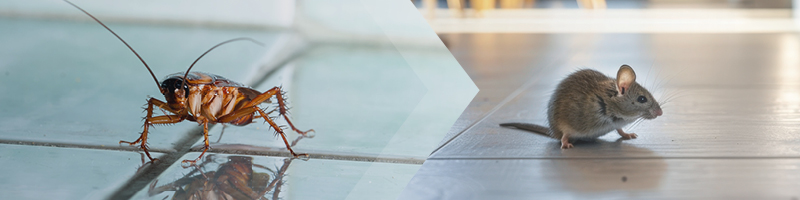
Cockroaches can crawl through cracks in tiles. Mice can squeeze through a hole the size of a dime. Pigeons, sparrows and other birds can be relentless. So it’s vital to have a host of proofing solutions. At McCloud we can help with a whole range of exclusion products and services including foams, sealants, netting, ground meshes, strip brushes, electric wire, insect screens, plus stainless steel and Flexi Armour on dock levellers to protect loading bays from rodents.
2. Restriction: Contain the Risk
Whether premises are quiet or bustling, pests are attracted by the light they see and the food they smell, plus the promise of food, water, warmth, shelter, and safety from predators. This ideal environment lets them breed freely, causing significant issues for food processing, storage, and distribution businesses.
Restriction measures are specifically designed to discourage entry and contain the spread of pest infestations. We use risk assessments to identify where food, water and shelter could incentivize pests, and recommend where those attractions could be reduced or removed.
Restricting Pest Activity with Optimal Hygiene Standards
Determined pests will jump at the chance of a meal or safe space. So even the most diligent businesses can unintentionally attract pests with clutter, crumbs and a loose food container.
To avoid attracting pests, businesses need to:
- Keep food containers tightly sealed
- Use tight-fitting trash can lids
- Regularly empty trash cans
Every step of the food supply chain is susceptible to pests, even beyond a securely proofed building. You can reduce the risk of infestations and better protect your business by:
- Inspecting incoming goods and vehicles for pests and potential risk spots
- Ensuring vehicles are regularly cleaned so they’re not a pest target
- Training your staff to help spot the signs of pest activity or entry points
3. Destruction of Pests
Our destruction methods remove the pest infestation, give you back control and make your premises safe again. Only when absolutely necessary, may this include pesticides. Why? Because they have their own specific challenges, regulations, and standards which can restrict how they’re used and stored.
With McCloud, you’re dealing with professionals. Our experts know exactly what destruction methods to use, how and when. We help you comply with state and federal standards/regulations, such as for pesticide use, food safety and wildlife, to remove pests safely and responsibly. We can also evaluate the effectiveness, so you know that pest infestations are dealt with quickly and efficiently.
Destruction Solutions for Pest Control
The New Standard in Intelligent Rodent Control
In food plants, even one rodent is a big risk to your brand. McCloud Services uses PestConnect to stop pests before they reach your production lines. This system uses “Smart Technology” to watch your facility 24/7. It is faster and more reliable than checking traps by hand once a week.
Our Dual Autogate is an intelligent station designed for high-stakes food areas. It keeps toxic bait safely tucked away in a separate area to prevent contamination. Because it features a dual-catch design, the unit can handle multiple pests while remaining active and secure. This “controlled baiting” method ensures you stay in full compliance with local laws and food safety standards. These devices talk to each other on their own private network. They don’t use your building’s Wi-Fi, so your IT team doesn’t have to worry about security.
Fly Control with Insect Light Traps (ILTs)
Insect light traps (ILTs), like our highly efficient, energy-saving Lumnia LED Fly Trap, can help stop flies from transmitting harmful diseases. Our ILTs use LED lamps that are better at attracting flies as their intense light is in the most sensitive part of the UV spectrum that flies can see.
Our ILT’s lower energy consumption makes them more sustainable. With encapsulated glueboards, they prevent contamination by containing insect fragments in the unit itself.
Turning the Heat on Stored Product Pests (SPPs)
SPPs cause financial loss for the food industry as they live in food stocks and damage them. Businesses must take multiple measures to prevent SPIs from infesting raw ingredients and finished products.
Our targeted heat is chemical-free with minimal disruption to operations. We can reach deep into all areas of an infestation to eliminate eggs, larvae and adult insects. We denature their body’s protein causing dehydration by disrupting their outer waxy layers. Research shows that just a few hours at 122°F can eliminate all insects in all life stages without impacting product integrity.
4. Monitoring
Monitoring is the fourth pillar of a strong IPM program, ensuring a facility is checked 24/7 for any signs of activity. This process identifies small issues before they become expensive problems. Manual monitoring uses tools like tracking gels and pheromone traps to identify specific pests like beetles or fruit flies, helping experts choose the best way to eliminate them.
For real-time protection, digital technology can monitor a facility around the clock. These smart devices use a private network, so they do not touch a building’s Wi-Fi or create IT security risks. If a device is triggered, a specialist is alerted instantly to fix the problem fast. All activity is saved in an online portal, providing the digital proof needed for AIB, BRC, SQF, and FSMA audits.
Finally, treatments are assessed to ensure they work. This includes follow-up visits and tips to lower the risk of pests returning. If new concerns come up between services, additional visits are made to address the issue, ensuring a facility is never left to handle pest problems alone.
The Benefits of IPM With McCloud
At McCloud, our IPM is the foundation of sustainable pest control. It’s a long-term strategy to mitigate risks so pests aren’t a constant problem. We identify:
- Which pests are specific threats
- What environmental factors let them thrive
- What conditions need creating that pests hate
Better together: Individual tactics can work. But combining tactics works much better as they go beyond just eliminating infestations. It’s much easier and more cost-effective to prevent than treat infestations, as you can minimize potential regulatory violations, down time, stock loss, and brand damage.
Keeping you audit-ready: The quality of your pest management records matters as much as our service. So we help you keep verifiable evidence of a proactive, well-managed IPM program for inspectors, auditors, and third-party certification bodies, including HAPPC, HARPC, AIB, SQF, BRC, GFSI, NSF, and ISO 22000.
Choose McCloud as your partner and you gain a team of industry experts who don’t just use science and innovation. We also understand your local regulations, standards, and changing legislation and compliance, to help you stay one step ahead of pests. We are dedicated to maximizing the standards of food safety and pest control and minimizing the contamination risks.