

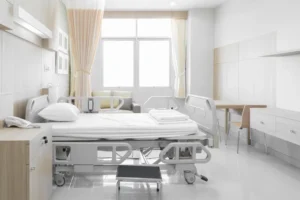
 In Nashville, healthcare environments include a wide range of spaces such as patient rooms, lobbies, exam rooms, waiting areas, hallways, and cafeterias. Each of these areas can be attractive to pests if preventive steps aren’t taken. Proper pest control is critical since even a small, unnoticed problem can grow into a large infestation that compromises patient satisfaction.
If you work in a healthcare setting, these are some of the most common pests you should be aware of:
-
Cockroaches
A single cockroach has the potential to start a large infestation because of how fast these pests multiply. Cockroaches are more than just a nuisance; they are vectors for bacteria like Salmonella and E. coli, which can be dangerous to patients already facing health challenges. In addition, the allergens in their saliva, droppings, and skin sheddings can trigger asthma or allergic symptoms.
Cockroaches tend to stay hidden in dark spaces, making them difficult to spot until the problem grows. They can enter buildings through shipments or deliveries and quickly establish themselves. Their adaptability and rapid reproduction make professional healthcare pest control essential for long-term elimination.
-
Bed Bugs
As their name suggests, bed bugs are parasitic insects that thrive in areas where people sleep, feeding on blood during the night. They are easily transported on clothing, luggage, or belongings, which allows them to spread quickly between locations. Once inside, they multiply rapidly, and even a single bug may signal a much larger infestation. Their bites vary in effect, ranging from mild itchiness to painful reactions.
Bed bugs prefer to stay close to sleeping areas, often hiding in mattresses, headboards, furniture, and nearby crevices. Signs of an infestation may include tiny fecal stains, blood spots on bedding, and the presence of shed skins left behind as they grow.
-
Rodents
Rodents pose a serious concern in healthcare facilities because of their ability to spread disease, damage property, and interfere with daily operations. Their droppings and urine can contaminate sensitive environments, leading to unsanitary conditions that threaten patient safety. Many species also carry dangerous pathogens that may cause illness in vulnerable individuals. Without proper prevention, even a small rodent presence can escalate into a significant infestation.
These pests are skilled at finding entry points, squeezing through cracks, gaps, and unsealed openings around buildings. In hospitals and other healthcare facilities, rodents can also take advantage of constantly used doorways to slip inside unnoticed. Once indoors, their constant gnawing can ruin packaging, equipment, and even electrical wiring, which may result in costly repairs. Early intervention is key to avoiding widespread problems.
-
Flies
Food waste, garbage, and other organic debris commonly attract flies, making them a persistent issue in healthcare environments. These pests are not only irritating but also dangerous, as they can contaminate food and medical packaging. On their bodies, saliva, and feces, flies may carry pathogens such as harmful bacteria and viruses. The risks they bring are especially concerning in places where patients already have weakened immune systems.
Flies are adept at slipping indoors through open windows, constantly used doors, or tiny structural openings. Once inside, they flourish in moist, organic-rich areas such as drains and trash bins. Warm weather often accelerates their reproduction, causing populations to surge rapidly. Without proper pest control, fly infestations can quickly get out of hand.
-
Mosquitoes
Mosquitoes are notorious for their itchy bites and their ability to transmit dangerous diseases, including West Nile virus, Zika virus, and Dengue fever. These pests are found across nearly every part of the world except Antarctica, making them a widespread concern. They become especially active when outdoor temperatures climb above 50 degrees Fahrenheit. Their presence near healthcare facilities poses a heightened risk to vulnerable patients.
Although hospitals themselves don’t typically attract mosquitoes, the outdoor environments surrounding them can become ideal breeding sites. Mosquitoes reproduce in even the shallowest pools of water, such as clogged gutters, fountains, or bird baths. They may also be found in ponds, water cooler drip trays, and flower vases left unattended. With so many potential sources, prevention requires consistent monitoring and maintenance.
How McCloud Pest Solutions Protects Healthcare Facilities from Pests
Healthcare facilities face unique challenges that go beyond basic pest control, including protecting patient well-being and meeting strict compliance requirements from regulatory and health agencies. To meet these standards, it’s important to work with a pest control provider that understands the specialized procedures and protocols required in medical environments. In Nashville, these challenges can be even greater due to the variety of pests active year-round.
McCloud Pest Solutions provides pest management for hospitals, dental practices, nursing homes, clinics, and assisted living centers. Our team develops customized programs that focus on prevention and rapid response to emerging pest concerns. By addressing issues early, healthcare facilities can avoid the risks and disruptions that come with full-blown infestations.
Need reliable pest or rodent control for your healthcare facility? Reach out to McCloud Pest Solutions for a complimentary quote.