

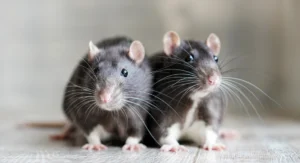
Smarter Answers
I’ve Spotted a Long-Tailed Rodent on My Premises—What Is It?
A rodent with a long tail sighting can mean several things, and getting the ID right matters, because different rodents need different control strategies. The most common culprits in commercial settings are the Norway rat, the roof rat, and the house mouse. Norway rats are large and heavy-bodied with a thick, scaly tail shorter than their body. Roof rats are sleeker, with a tail that’s longer than their body. A long tail mouse is smaller and more slender, with large ears and a fine, hairless-looking tail.
If what you saw had a noticeably fluffy or bushy tail rat-like appearance, you might be dealing with a squirrel or even a flying squirrel, which are technically wildlife and may fall under animal control rather than standard pest management.
Location matters too: roof rats tend to appear in upper areas of buildings, while Norway rats stay low and close to the ground. Whatever you’re seeing, don’t wait. Rodents reproduce fast, contaminate stock, and create serious compliance risks for businesses.
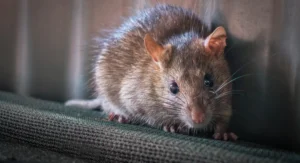
Rats
Rats are large and heavy-bodied, with a thick, scaly tail. Norway rats burrow low; roof rats climb and nest up high.
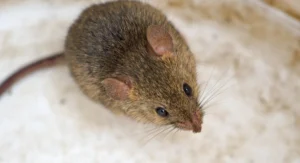
Mice
Mice are small and slender with large ears and a thin, hairless tail. They nest in wall voids and storage areas.

Squirrels
Squirrels are medium-sized with a distinctive bushy tail. They nest in trees or attics and are active during the day.
Professional Rodent Control for Businesses
To help keep your business rodent-free year-round, McCloud Pest Solutions provides specialized commercial expertise to accurately identify pests and respond rapidly. We support business protection and compliance through everything from rodent targeted treatments to comprehensive long-term monitoring.
← Back to McCloud Answers