

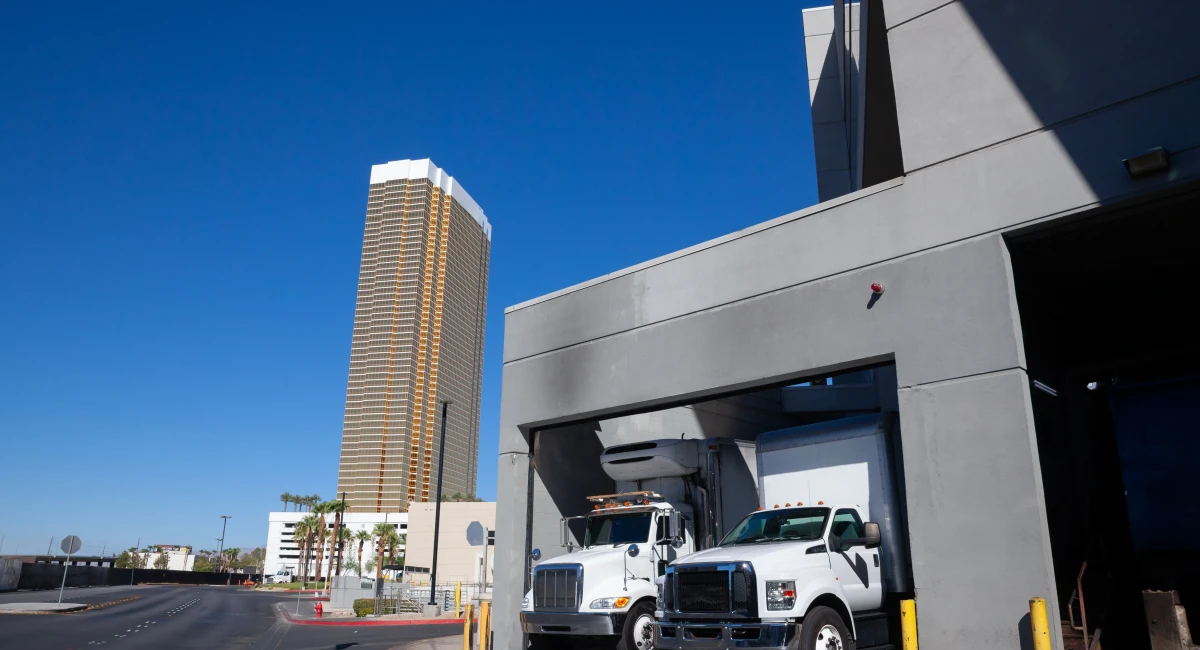
In modern food shipping and grocery logistics, quality assurance teams spend a lot of time protecting their own buildings, with strict cleaning schedules and monitoring to keep pests out and food safe. However, in today’s connected supply chain, a brand’s safety does not end at its loading dock.
External pest issues at third-party logistics warehouses, co-packers, or distribution centers directly impact your company. When pests contaminate products at a vendor location, the regulatory penalties, severe financial losses, and lasting brand damage can fall squarely on you.
Understanding supplier pest liability and actively mitigating contamination across the supply chain is essential to managing risk for food manufacturers, distributors, and retailers.
Why Shared Supply Chains Mean Shared Risk
For decades, many food companies treated supplier verification as a routine administrative task. They relied heavily on basic annual self-assessments or standard audit certificates. Once a contract was finalized, leadership assumed that vendor agreements and warranties provided full protection against recall risks.
However, pests such as rodents, birds, and stored product insects do not adhere to legal contracts. When an infestation occurs at a third-party facility, damaged packaging, bird droppings, and insect larvae can rapidly spread through distribution channels. A single compromised storage hub can distribute affected goods to numerous retail outlets and foodservice operations before detection.
Relying solely on paper audits creates significant blind spots. Third-party logistics facilities often experience high inventory turnover and shifting storage conditions. Without rigorous, verified pest defense standards enforced at every stage, brands remain vulnerable to costly partner failures.
A Midwest Cautionary Tale: The Gold Star Distribution Recall
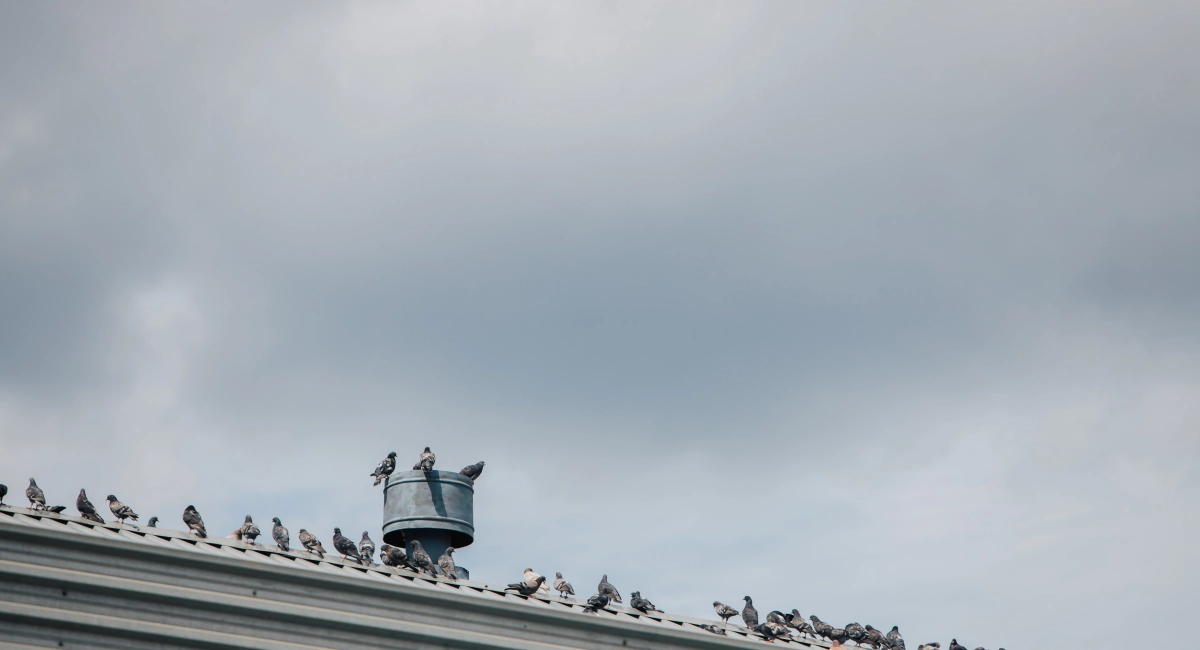
The impact of third-party supply chain failures is well-documented across the Midwest. A notable instance was the Gold Star Distribution recall, in which severe rodent and bird activity at a regional distribution facility led to broad recalls that pulled thousands of products from retail shelves across multiple major brands.
FDA inspection reports detailed extensive sanitation violations, including live and dead rodents, damaged packaging, bird nesting near inventory, and widespread evidence of pests throughout storage areas.
The consequences were immediate and severe:
- Massive Inventory Destruction: Thousands of items across multiple brands had to be set aside and destroyed.
- Widespread Regional Disruption: Stores across several Midwestern states faced empty shelves, delivery delays, and high costs to remove products.
- Consumer Alarm: News of the rodent and bird contamination spread quickly in local media, causing shoppers to doubt the safety of trusted household brands.
The Gold Star case serves as a clear lesson for Midwest grocery buyers, quality managers, and regulatory officers. Although the brand owners maintained clean manufacturing plants, their association with an unsanitary distribution site damaged their market reputation.
Audit Exposure and the Legal Reality of Insanitary Conditions
The U.S. Food and Drug Administration (FDA) has specific rules regarding supply chain cleanliness. Under Section 402(a)(4) of the Federal Food, Drug, and Cosmetic (FD&C) Act, food is considered contaminated if it is prepared, packed, or stored in dirty conditions where it may become dirty or harmful to health.
Under federal enforcement standards, regulatory agencies do not need to prove direct product contamination to initiate enforcement actions. The existence of insanitary conditions, such as active pest harborage or nesting inside a facility, is enough for the government to rule that all food stored there is unsafe.
Under the Food Safety Modernization Act (FSMA) rules, food companies are required to establish a strong, risk-based Supply-Chain Program. This rule requires businesses to:
- Carefully check suppliers before approving third-party facilities.
- Keep ongoing records proving that suppliers control health hazards, including pests.
- Continuously monitor pest control programs rather than relying on paper checks.
If you fail to properly monitor your suppliers, your brand can face heavy legal fines and government penalties.

Why Your Brand Takes the Blame for Partner Pest Problems
When news of a recall breaks, headlines rarely separate the food manufacturer, the packaging partner, and the warehouse operator. Instead, headlines feature the trusted brand names shoppers buy every day.
This spread of bad publicity creates major risks for food companies:
- Public Perception: Shoppers blame the brand listed on the label for safety issues. A recall caused by a partner damages trust just as much as an internal plant failure.
- Retailer Relationships: Major grocery stores react quickly to recalls, often removing entire product lines and requiring new safety audits before allowing items back on shelves.
- Financial Loss: In addition to lost inventory and shipping costs, companies may experience long-term sales declines, increased insurance costs, and potential lawsuits.
So, even though brands don’t run the faulty facility themselves, they take the full hit when news breaks.
Securing the Supply Chain Perimeter
Reducing supplier pest risks requires a new approach to partner oversight. Third-party pest risk is not an unavoidable problem; it is something that operations, purchasing, and safety teams can actively control.
To protect your business from product contamination, food safety leaders should take four immediate steps:
1. Upgrade Supplier Audit Protocols
Add clear, detailed pest management checks to every Midwest supplier audit. Inspections must look at pest prevention, building condition, cleaning routines, and past pest service records.
2. Mandate Standardized Pest Defense Requirements in SLAs
Contracts with warehouses and packing partners must include strict pest prevention rules. Require vendors to work with professional pest management companies that adhere to high food safety standards (such as IPM, SQF, BRCGS, and AIB).
3. Require Continuous 24/7 Digital Monitoring
Infrequent monthly or bi-weekly inspections leave blind spots and gaps where pests can hide unnoticed. Modern facilities need 24/7 digital monitoring systems (like McCloud PestConnect) that detect rodent activity immediately, and alert managers before pests contaminate food inventory.
4. Establish Clear Corrective Action Triggers
Clearly state fast reporting rules in your contracts. If a partner facility finds increased pest activity or receives an official FDA warning about cleanliness, your team must be notified within 24 hours to take action and secure inventory.
Partnering with McCloud Services for Complete Supply Chain Protection
For over 125 years, McCloud Services has served as a trusted partner for food manufacturers, logistics operators, and grocery distributors across the Midwest. Specializing in commercial pest control and food safety regulatory compliance, our board-certified entomologists and food safety experts deliver data-driven Integrated Pest Management (IPM) programs tailored to complex supply chains.
From vendor audit support and building risk reviews to electronic monitoring and pest exclusion, McCloud helps food businesses secure every part of their supply chain. Protect your brand, compliance record, and customers before a partner’s pest problem becomes your crisis.
Contact McCloud Services today to schedule a comprehensive supply chain pest risk assessment.
Written by: Nicola Gordon-Seymour
October 22nd, 2026